
frosted glass wall partitions
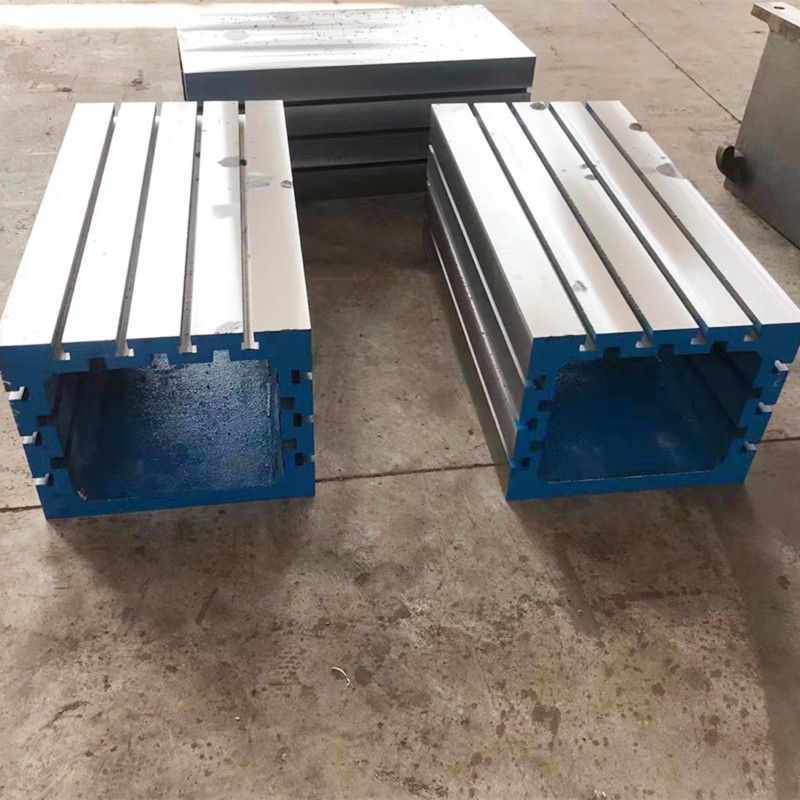
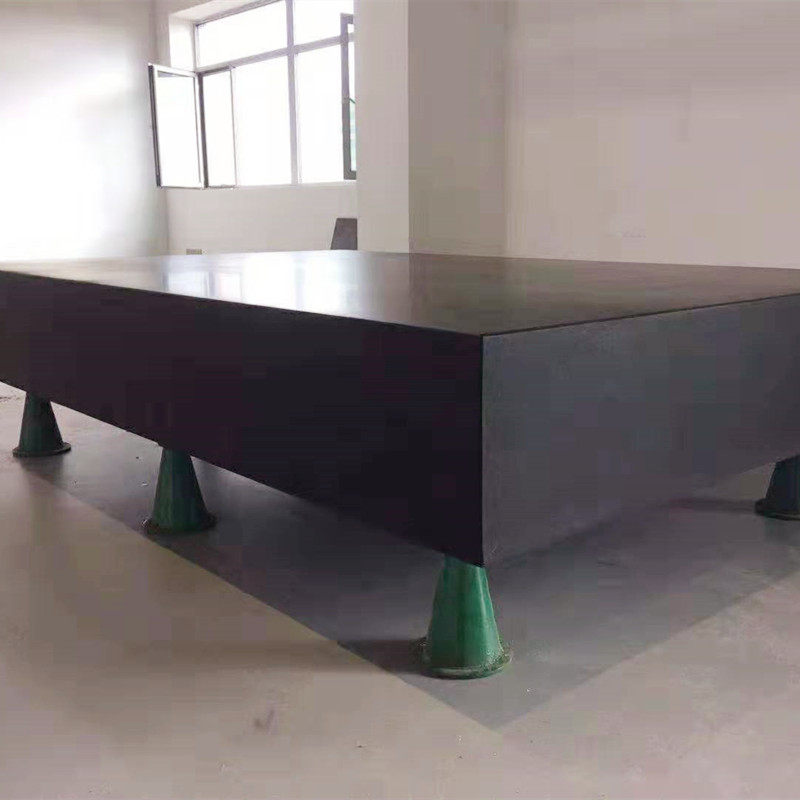
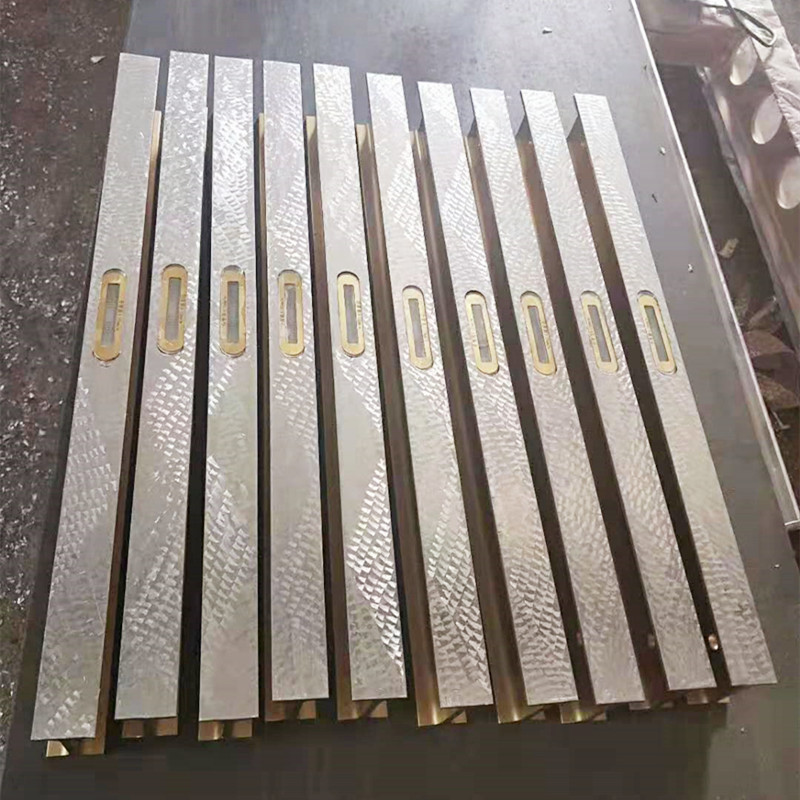
Precision in 3D Welding Tables Enhancing Fabrication Processes In the world of fabrication and manufacturing, precision is the cornerstone that dictates the quality and reliability of the final product. This is particularly true in the realm of 3D welding tables, where the accuracy of assembly plays a crucial role in determining both the efficiency of the process and the quality of the welded components. As industries continue to embrace advanced technologies and automation, the need for precision in 3D welding tables becomes more pronounced, affecting everything from design to production. Understanding 3D Welding Tables A 3D welding table is a specialized fixture designed to hold and align workpieces during the welding process. These tables are equipped with a rigid structure that provides stability and reduces distortion caused by heat during welding. The incorporation of adjustable components allows for versatile configurations, accommodating various shapes and sizes of materials. For industries such as aerospace, automotive, and construction, where precision is non-negotiable, the ability to easily adapt the welding table to different projects is invaluable. The Importance of Precision Precision in 3D welding tables ensures that each component is accurately positioned before the welding process begins . This accuracy is vital for several reasons 1. Reduction in Rework and Waste When components are precisely aligned, the likelihood of misalignment during welding is significantly reduced. This minimizes the risk of defects that could necessitate rework or lead to scrap, ultimately saving both time and materials. 2. Enhanced Quality Control Consistency is key in manufacturing. A precision 3D welding table enhances quality control by ensuring that each weld is made under the same conditions. This standardization leads to predictable results across batches, which is crucial for meeting industry quality standards. precision 3d welding table 3. Improved Structural Integrity Proper alignment during welding contributes to the overall strength and durability of the welded assembly. Precision tables help achieve even heat distribution, which is essential in preventing warping and ensuring the mechanical properties of the materials are retained. 4. Increased Workflow Efficiency With a precision 3D welding table, operators can spend less time on setup and adjustments. The convenience of predefined settings allows for rapid transitions between projects, maximizing productivity without sacrificing quality. Technological Advancements in Welding Tables The evolution of technology has significantly impacted the design and functionality of 3D welding tables. Modern tables often incorporate features such as digital measuring instruments, automated adjustment mechanisms, and CAD/CAM integration. These advancements enable welders to achieve greater accuracy in less time, making the welding process more efficient. Moreover, the incorporation of smart technology allows for real-time monitoring and data collection. Operators can analyze performance metrics and make informed decisions to optimize the welding process. This level of precision not only improves the quality of the welds but also provides valuable insights that can drive continuous improvement in manufacturing practices. Conclusion In conclusion, precision in 3D welding tables is essential for enhancing fabrication processes across various industries. The ability to maintain accuracy during the welding process directly influences the quality of the final product, the efficiency of production, and the overall robustness of the assembly. As technology continues to advance, the integration of smart solutions and automated systems will further elevate the standards for precision in welding. Investing in precision 3D welding tables is not merely an option; it is a necessity for any organization committed to delivering high-quality, reliable, and durable products. Embracing precision will not only ensure compliance with industry standards but also foster innovation and competitiveness in a rapidly evolving market.
about
frosted glass wall partitions
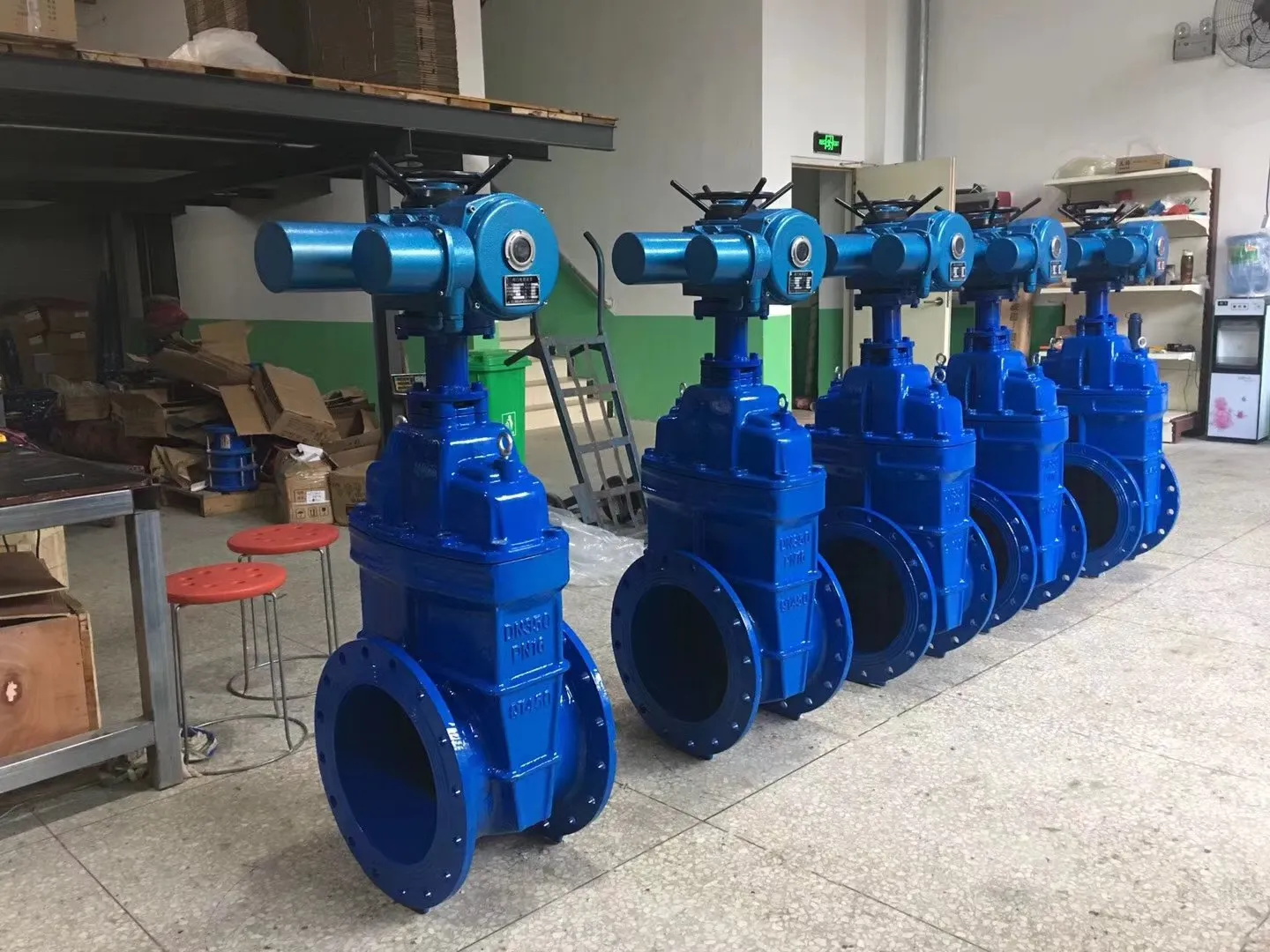
Replacing Water Cut-Off Valves A Comprehensive Guide Water cut-off valves, also known as shut-off valves, play a crucial role in plumbing systems. They are designed to stop the flow of water in pipes, allowing homeowners and plumbers to perform repairs or maintenance without flooding the area. Over time, these valves can corrode, become damaged, or malfunction, necessitating their replacement. Understanding the process of replacing water cut-off valves is essential for anyone interested in home maintenance or plumbing. 1. Understanding Water Cut-Off Valves Water cut-off valves can be found in various types, including ball valves, gate valves, and globe valves. Each type functions differently, but their primary purpose remains the same to regulate water flow. Ball valves are popular due to their durability and ease of use, featuring a spherical closure element that allows for quick on/off operation. Gate valves are better suited for applications where a full flow is essential, while globe valves are often used for throttling flow. 2. Safety First Before you begin the replacement process, safety should be your top priority. Start by shutting off the main water supply to your home. It is also advisable to drain the pipes to prevent any residual water from leaking out during the replacement process. You may want to place towels or a bucket beneath the valve area to catch any leftover water. 3. Gather Your Tools To replace a water cut-off valve, you will need several tools, including - Pipe wrench or adjustable wrench - Hacksaw (if cutting is necessary) - Teflon tape or pipe joint compound - Replacement valve - Bucket or towels for cleanup Make sure you have all these tools at hand before starting the process. replacing water cut off valves 4. Remove the Old Valve Begin the removal process by loosening the nuts or screws holding the valve in place. Depending on the valve's condition, you might need to use a pipe wrench to apply more torque. If the old valve is rusted or corroded, take care not to damage the surrounding pipes. If you encounter a stubborn valve, cutting the pipe section with a hacksaw may be necessary. Remember to cut straight to ensure a proper fit for the replacement valve. 5. Install the New Valve Once the old valve is removed, it is time to install the new one. Start by applying Teflon tape or pipe joint compound to the threads of the new valve to ensure a watertight seal. Then, position the new valve in place, tightening it securely with your wrench. Be careful not to overtighten, as this can lead to damage or future leaks. 6. Test for Leaks With the new valve installed, it’s time to turn the main water supply back on. Gradually open the new valve to check if it operates smoothly. Observe the area around the valve for any signs of leaks. If you notice water seeping out, you may need to tighten the connections a bit more or reapply Teflon tape if necessary. 7. Final Steps After you’ve confirmed that everything is functioning correctly and there are no leaks, clean up the area and dispose of the old valve responsibly. Double-check that all tools are accounted for and ensure you have restored the workspace to its original condition. Conclusion Replacing water cut-off valves may seem daunting at first, but with the right tools, safety precautions, and attention to detail, it can be a manageable DIY project. Whether you’re dealing with a leaky valve or simply conducting routine maintenance, knowing how to replace these valves is a valuable skill for any homeowner. Always remember to consult a professional plumber if you encounter any challenges that exceed your comfort level. With proper care and timely replacements, you can ensure that your plumbing system functions efficiently and effectively.
-

High quality industrial productsagement

High quality industrial products
View Details -

Meet the diverse needs of customers

Meet the diverse needs of customers
View Details -

Strict quality control

Strict quality control
View Details -

Top raw materials

Top raw materials
View Details -

Trusted supplier

Trusted supplier
View Details
Our application
news and information
v blocks for machining
V Blocks for Machining An Essential Tool for Precision Engineering In the realm of precision machin

Using Ring Gauges for Precision Measurement and Quality Control in Industrial Applications
The Importance of Ring Gauges in Quality Control In the realm of manufacturing and engineering, prec
water check valve
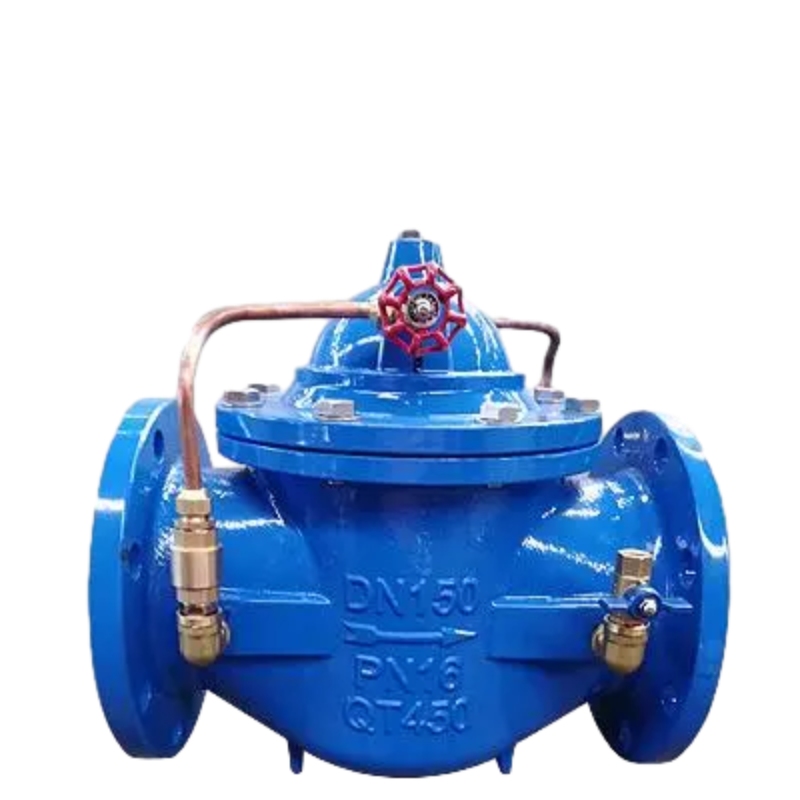
Understanding Water Check Valves Function, Types, and Importance Water check valves play a crucial r
 English